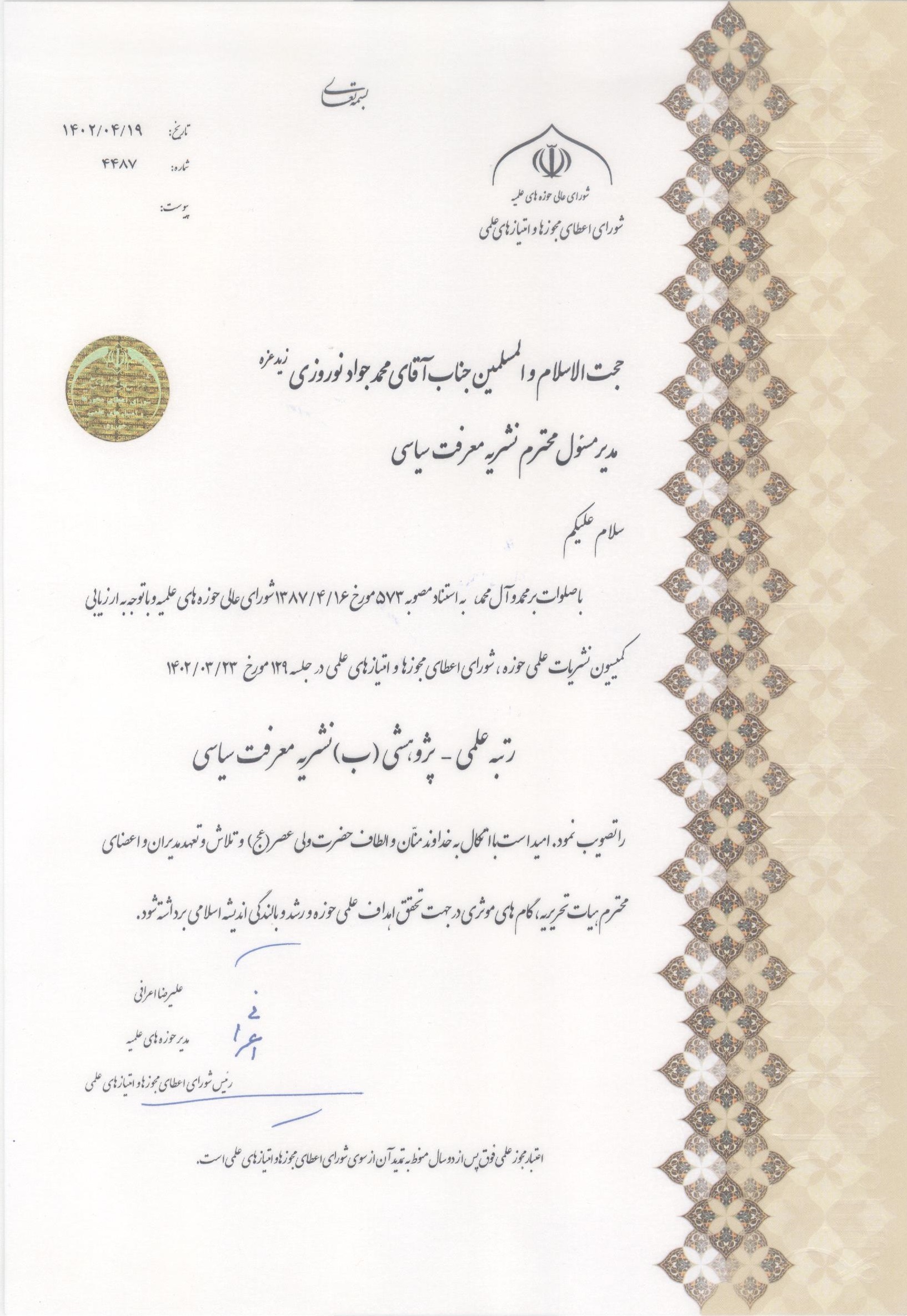
Ma`rifat-e Siasi, Volume 10, Issue 1, No 19, Year 2018, Pages 89-112
An In-Depth Analysis of the Identity Crisis Resolution Patterns and its Adaptation to the Contemporary Afghanistan
Article Type:
Research
Writers:

Abstract:
This paper study and analyze "the identity crisis resolution patterns and its adaptation to the contemporary Afghanistan." Afghanistan is a multicultural country, which has been involved in devastating wars for almost three decades. Without denying the role of external interventions, this paper discusses the causes, factors and the main solutions to this long-standing war in the Afghan society, and linked it to the "national identity crisis". There are two theoretical models to solve the identity crisis, which include multiculturalism and homogenization. Given the failure of the unified model of identity crisis resolution in multicultural countries, the multicultural model for solving this problem seems to be more efficient in these countries than the previous pattern. Of course, the success of this pattern depends on the proper use of the cultural capacities of the Afghan community itself, which must be formulated and localized in accordance with the ethnic-cultural criteria and the objective needs and vital necessities of this society. In this regard, genuine religious concepts such as human equality, ethnic-cultural diversity, human dignity and social justice can be taken into consideration
چکیده و کلیدواژه فارسی (Persian)
Title :نقد و بررسی الگوهای حل بحران هویت و تطبیق آن بر افغانستان معاصر
Abstract:
این مقاله، به «نقد و بررسی الگوهای حل بحران هویت و تطبیق آن بر افغانستان معاصر» می پردازد. افغانستان یک کشور چندقومی- فرهنگی است که تقریباً سه دههی کامل از جنگ ویرانگر سراسری آن می گذرد. این نوشتار، بدون انکار نقش آفرینی مداخلات بیرونی، علل و عوامل و نیز راه حل های اصلی این جنگ طولانی مدت را در درون خود جامعهی افغانستان می جوید و آن را با «بحران هویت ملی» مرتبط می داند. برای حل بحران هویت، دو الگوی نظری وجود دارد: یکسان سازی و چندفرهنگی گرایی. با توجه به تجربهی شکست الگوی یکسان سازیِ حل بحران هویت در کشورهای چندقومی ـ فرهنگی، الگوی چندفرهنگی گرایی برای حل این مسئله در این گونه کشورها کارسازتر از الگوی قبلی به نظر می رسد. البته موفقیت این الگو، در گرو استفادهی مناسب از ظرفیت های فرهنگی خود جامعهی افغانستان است که باید مطابق مختصات قومی ـ فرهنگی و نیازهای عینی و ضرورت های حیاتی این جامعه صورت بندی و بومی سازی شود. در این راستا می توان از مفاهیم اصیل دینی، مانند برابری انسانی، کثرت قومی ـ فرهنگی، کرامت ذاتی بشر و عدالت اجتماعی کمک گرفت.
References:
- نهجالبلاغه، 1374، ترجمة سيدجعفر شهيدى، چ چهاردهم، تهران، علمى و فرهنگى.
- آخوند هروی، محمدکاظم، بيتا، کفایۀالاصول، تهران، کتابفروشی اسلامیه.
- اسکیدمور، ویلیام، 1372، تفکر نظری در جامعهشناسی، ترجمة علیمحمد حاضری و همکاران، تهران، نشر سفیر.
- اسمیت، دی. آنتونی، 1383، ناسیونالیسم: نظریه، ایدئولوژی، تاریخ، ترجمة منصور انصاری، تهران، مؤسسه مطالعات ملی، تمدن ایرانی.
- اندرسن، بنديکت و ريچارد اوگورمن، 1393، جماعتهاي تصوري، ترجمة محمد محمدی، تهران، رخداد نو.
- باربیه، موریس، 1383، مدرنیته سیاسی، ترجمة عبدالوهاب احمدی، تهران، آگه.
- برانکهورست، هاوک، 1392، بحران، در «فرهنگ علوم اجتماعی در قرن بیستم»، ترجمة حسن چاووشیان، تهران، نشر نی.
- برچر، مایکل و همکاران، 1382، بحران، تعارض و بیثباتی، ترجمة علی صبحدل، تهران، پژوهشکده مطالعات راهبردی.
- بن، استنلی، 1377، ناسیونالیسم چیست؟، ترجمة عزتالله فولادوند، در «خرد در سیاست»، تهران، طرح نو.
- بهمنی قاجار، محمدعلی، 1385، ایران و افغانستان از یگانگی تا تعیین مرزهای سیاسی، تهران، مرکز اسناد و تاریخ دیپلماسی.
- پای، دبلیو و همكاران، 1380، بحرانها و توالیها در توسعه سیاسی، ترجمة غلامرضا خواجهسروی، تهران، پژوهشکده مطالعات راهبردی.
- ترنر، جاناتان، 1372، ساخت نظریه جامعهشناسی، ترجمة عبدالعلی لهساییزاده، شیراز، نوید شیراز.
- جانسون، چالمرز، 1363، تحول انقلابي: بررسي نظري پديده انقلاب، ترجمة حمید الیاسی، تهران، امیرکبیر.
- چلبی، مسعود، 1375، جامعهشناسی نظم: تشریح و تحلیل نظری نظم اجتماعی، تهران، نشر نی.
- حسینی بهشتی، سیدعلیرضا، 1380، بنیاد نظری سیاست در جوامع چندفرهنگی، تهران، بقعه.
- الخویی، سیدابوالقاسم، 1417ق، التنقیح فی شرح عروۀالوثقی، قم، مؤسسۀ إحیاءالاثار الامام الخویی.
- داوری اردکانی، رضا، 1364، ناسیونالیسم، حاکمیت ملی و استقلال، اصفهان، پرسش.
- رضایی، علیاکبر و مريم بختیاری، 14389، مدیریت بحران، تهران، یادآوران.
- رنان، ارنست، 1377، ملت چیست؟، ترجمة عزتالله فولادوند، در «خرد در سیاست»، تهران، طرح نو.
- روا، اليور، 1372، افغانستان: الگوهاي مردمشناختي و آرامسازي، ترجمة ابوالحسن سرو مقدم، در مجموعه مقالات «افغانستان جنگ و سياست»، تهران، انجمن ايرانشناسي فرانسه.
- روسو، ژان ژاک، 1368، قرارداد اجتماعی، ترجمة غلامحسین زیرکزاده، بیجا، ادیب.
- روشه، گی، 1376، جامعهشناسی تالکوت پارسونز، ترجمة عبدالحسین نیکگهر، تهران، مؤسسه فرهنگی انتشاراتی تبیان.
- ریتزر، جورج، و گودمن، داگلاس، 1390، نظریه جامعهشناسی مدرن، ترجمة خلیل میرزایی و عباس لطفیزاده، تهران، جامعهشناسان.
- زحیلی، وهبۀ، 1998، آثار الحرب فی الفقه الاسلامی: دراسۀ مقارنۀ، دمشق، دارالفکر.
- زیگفرید، آندره، 1354، روح ملتها، ترجمة احمد آرام، تهران، فجر.
- سبزواری، هادی، 1375، شرح اسماءالحسنی، تهران، بینا.
- سن، آمارتیا، 1388، هویت و خشونت؛ توهم تقدیر، ترجمه فریدون مجلسی، تهران، انتشارات آشیان.
- سیفزاده، حسن، 1373، نظريههای مختلف درباره راههای گوناگون نوسازی و دگرگونی سياسی، تهران، قومس.
- سیسک، تموثی، 1379، تقسیم قدرت و میانجیگری بینالمللی در منازعات قومی، ترجمة مجتبی عطارزاده، تهران، پژوهشکده مطالعات راهبری.
- شرمن، هوارد، و وود، جيمز، 1369، دیدگاههای نوین جامعهشناسی، ترجمة مصطفی ازکیا، تهران، مؤسسه کیهان.
- طباطبائی، سیدمحمدحسین، 1374، المیزان فی تفسیر القرآن، ترجمة سیدمحمدباقر موسوی همدانی، قم، دفتر انتشارات اسلامي.
- غبار، میرغلام محمد، 1375، افغانستان در مسیر تاریخ، قم، صحافی احسانی.
- غزالي، محمد، 1417ق، المستصفي في علم الأصول، قاهره، بیروت، مؤسسة الرساله.
- فرهنگ، میر محمد صدیق، 1371، افغانستان در پنج قرن اخیر، قم، مؤسسة مطبوعاتی اسماعیلیان.
- كشككي، صباحالدين، 1365، دهه قانون اساسي، پاكستان، شوراي ثقافتي جهاد افغانستان.
- کاستلز، مانویل، 1380، عصر اطلاعات: اقتصاد، جامعه و فرهنگ (پايان هزاره)، ترجمة علیقلیان و همکاران، تهران، طرح نو.
- کاظمی، سیدعلیاصغر، 1368، مدیریت بحرانهای بینالمللی، تهران، دفتر مطالعات سیاسی و بینالمللی.
- کرایب، یان، 1378، نظریه اجتماعی مدرن، ترجمة عباس مخبر، تهران، آگه.
- کوزر، لوییس، 1384، نظریه تقابلهای اجتماعی، ترجمة عبدالرضا نواح، اهواز، نشر رسش.
- لیچپارت، آرند، 1383، دموکراسی چندقومی، ترجمة مزدا موحد، در «دائرةالمعارف دموکراسی»، تهران، وزارت امور خارجه، کتابخانه تخصصی.
- مارجر، مارتین، 1377، «سیاستهای قومی»، ترجمة اصغر افتخاری، مطالعات راهبردی، ش1، ص153-181.
- مصباحیزدی، محمدتقى، 1384، حقوق و سياست در قرآن، قم، مؤسسه آموزشى و پژوهشى امام خمينى.
- ـــــ ، 1388، نگاهي گذرا به حقوق بشر از ديدگاه اسلام، قم، مؤسسه آموزشى و پژوهشى امام خمينى.
- مطهری، مرتضی، 1383، نظام حقوق زن در اسلام، تهران، صدرا.
- منتظری، حسینعلی، 1385، رساله حقوق، قم، ارغوان دانش.
- موری، پیتر راجر استیوارت، 1380، ایران باستان، ترجمة شهرام جلیلیان، تهران، فروهر.
- میلر، دیوید، 1383، ملیت، ترجمة داود غرایاق زندی، تهران، مؤسسه مطالعات ملی، تمدن ایرانی.
- نجفی، محمدحسن، 1988، جواهرالکلام فی شرح شرایعالاسلام، بیروت، داراحیاء التراث العربی.
- واتسون، سی. دبلیو، 1383، کثرتگرایی فرهنگی، ترجمة حسن پویان، تهران، دفتر پژوهشهای فرهنگی.
- هابرماس، یورگن، 1380، بحران مشروعیت، ترجمة جهانگیر معینی، تهران، گام نو.
- هابزبام، ای. جی.، 1381، ملت و ملیگرایی پس از 1780، ترجمة جمشید احمدپور، مشهد، نشر نیکا.
- همپتن، جین، 1389، فلسفه سیاسی، ترجمة خشایار دیهیمی، چ سوم، تهران، طرح نو.
- هیوود، اندرو، 1392، سیاست، ترجمة عبدالرحمن عالم، تهران، نشر نی.
- Taylor, C., 1992, “The Politics of Recognition,” in Multiculturalism: Examining the Politics of Recognition, A. Gutmann (Ed.). Princeton: Princeton University Press.
- Parekh, Bhikhu, 2000, Rethinking Multiculturalism: Cultural Diversity and Political
Copyright © 2018 The Author(s). This article is published under the Creative Commons Attribution-NonCommercial 4.0 International License.
Cite this article:
RIS
Mendeley
BibTeX
APA
MLA
HARVARD
VANCOUVER
Mohseni, Mohammad javad, Sharafoddin, Seyyed hosein. (2018) An In-Depth Analysis of the Identity Crisis Resolution Patterns and its Adaptation to the Contemporary Afghanistan. Ma`rifat-e Siasi, 10(1), 89-112
Mohammad javad Mohseni; Seyyed hosein Sharafoddin."An In-Depth Analysis of the Identity Crisis Resolution Patterns and its Adaptation to the Contemporary Afghanistan". Ma`rifat-e Siasi, 10, 1, 2018, 89-112
Mohseni, M, Sharafoddin, S.(2018) 'An In-Depth Analysis of the Identity Crisis Resolution Patterns and its Adaptation to the Contemporary Afghanistan', Ma`rifat-e Siasi, 10(1), pp. 89-112