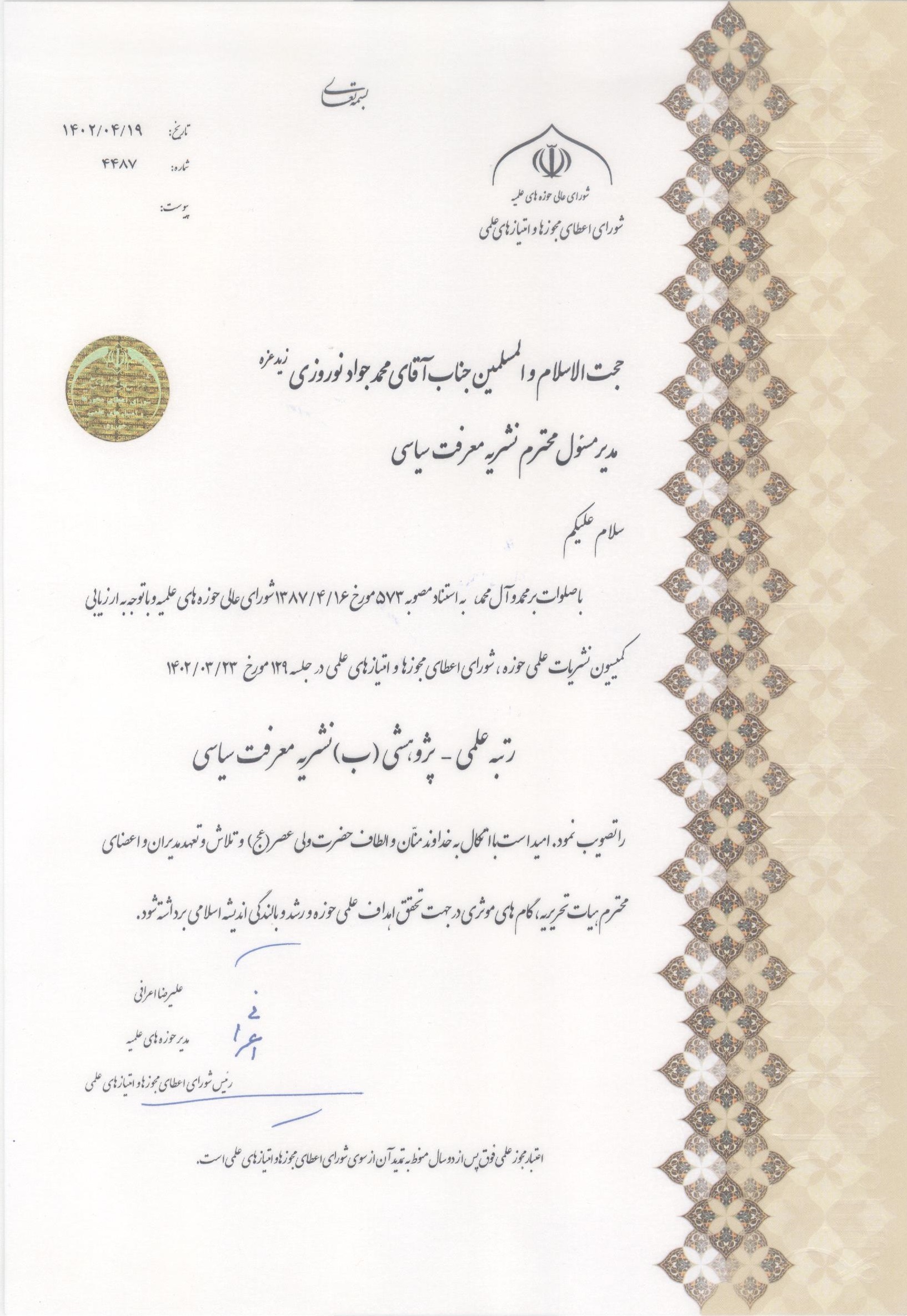
این مقاله در یکی از شماره های بعدی نشریه معرفت سیاسی منتشر خواهد شد.
حکمرانی و طهطاوی؛ نقد و بررسی اندیشه های رفاعة رافع الطهطاوی در باب حکمرانی مطلوب
نوع مقاله:
پژوهشی
نویسندگان:

چکیده:
طهطاوی از جمله روشنفکران مسلمانی است که اندیشه های وی درمواجهه با مدرنیته بسیار در تغییر و تحول رویکردها و کنشگری های سیاسی جهان اسلام اثرگذار بوده است. اندیشه های وی در باب حکمرانی، او را به یکی از پیشگامان پیروی از تمدن غرب و مروّجان اندیشه لیبرالی در جهان عرب معروف ساخته است. نقد و بررسی تفکرات طهطاوی با نگاه امت محور به جهان اسلام، بسیار در شناخت نظریات اندیشمندان اسلامی وحلّ اختلافات و نیز نقد رویکردها تأثیرگذار است. در این نوشتار، از طریق استنباط در منابع و تحلیل اندیشه های طهطاوی، نشان داده شده که حکمرانی دارای ارکانی است. حکمرانی در اندیشه طهطاوی دارای پنج رکن می باشد که برآیند عملیِ این ارکان، حکمرانی مطلوبِ طهطاوی را شکل می دهد. این ارکان عبارت اند از؛ «مردم»، «دولت»، «نخبگان»، «گروه های ذی نفوذ» و «بخش خصوصی». برای هریک از ارکان، کارویژه هایی در فرآیند حکمرانی متصور است که محقق ساختن آنها در جهت رسیدن به هدف حکمرانی طهطاوی که رشد معیشتی و معنوی جامعه است مؤثر خواهند بود.از جمله آن کارویژه ها میتوان به «تربیت اخلاقی»،«تخصص گرایی»،«بازخواست و فشار افکارعمومی»، «آموزش شهروندان»، «کنترل رفتار و گفتار دولتمردان»، «دخالت در امور سیاسی و اداره کشور»، اشاره کرد.
Article data in English (انگلیسی)
Title:
Governance and Tahtawi; Criticism of Rafa Rafi al-Tahtawi's thoughts on good governance
Abstract:
Tahtawi is one of the Muslim intellectuals whose ideas have been very effective in changing the approaches and political activism of the Islamic world in the face of modernity. His thoughts on governance have made him famous as one of the pioneers of following Western civilization and promoters of liberal thought in the Arab world. Criticism of Tahtawi's thoughts with the ummah-oriented view of the Islamic world is very effective in understanding the ideas of Islamic thinkers and resolving differences, as well as criticizing approaches. In this article, through inferences in the sources and analysis of Tahtawi's thoughts, it has been shown that governance has pillars. Governance in Tahtawi's thought has five pillars, and the practical result of these pillars forms Tahtawi's desirable governance. These elements are: "People", "government", "elite", "influential groups" and "private sector". For each of the pillars, there are specific tasks in the governance process that will be effective in achieving the goal of Tahtawi governance, which is the livelihood and spiritual development of the society. Among those tasks, we can include "moral education", "specialization". "Request and pressure of public opinion", "Education of citizens", "Controlling the behavior and speech of statesmen", "Interference in political affairs and administration of the country".
شیوه ارجاع به این مقاله:
RIS
Mendeley
BibTeX
APA
MLA
HARVARD
VANCOUVER
حسن زاده، مهدی. (1405) حکمرانی و طهطاوی؛ نقد و بررسی اندیشه های رفاعة رافع الطهطاوی در باب حکمرانی مطلوب. دو فصلنامه معرفت سیاسی، ()، -
مهدی حسن زاده."حکمرانی و طهطاوی؛ نقد و بررسی اندیشه های رفاعة رافع الطهطاوی در باب حکمرانی مطلوب". دو فصلنامه معرفت سیاسی، ، ، 1405، -
حسن زاده، مهدی.(1405) 'حکمرانی و طهطاوی؛ نقد و بررسی اندیشه های رفاعة رافع الطهطاوی در باب حکمرانی مطلوب'، دو فصلنامه معرفت سیاسی، (), pp. -