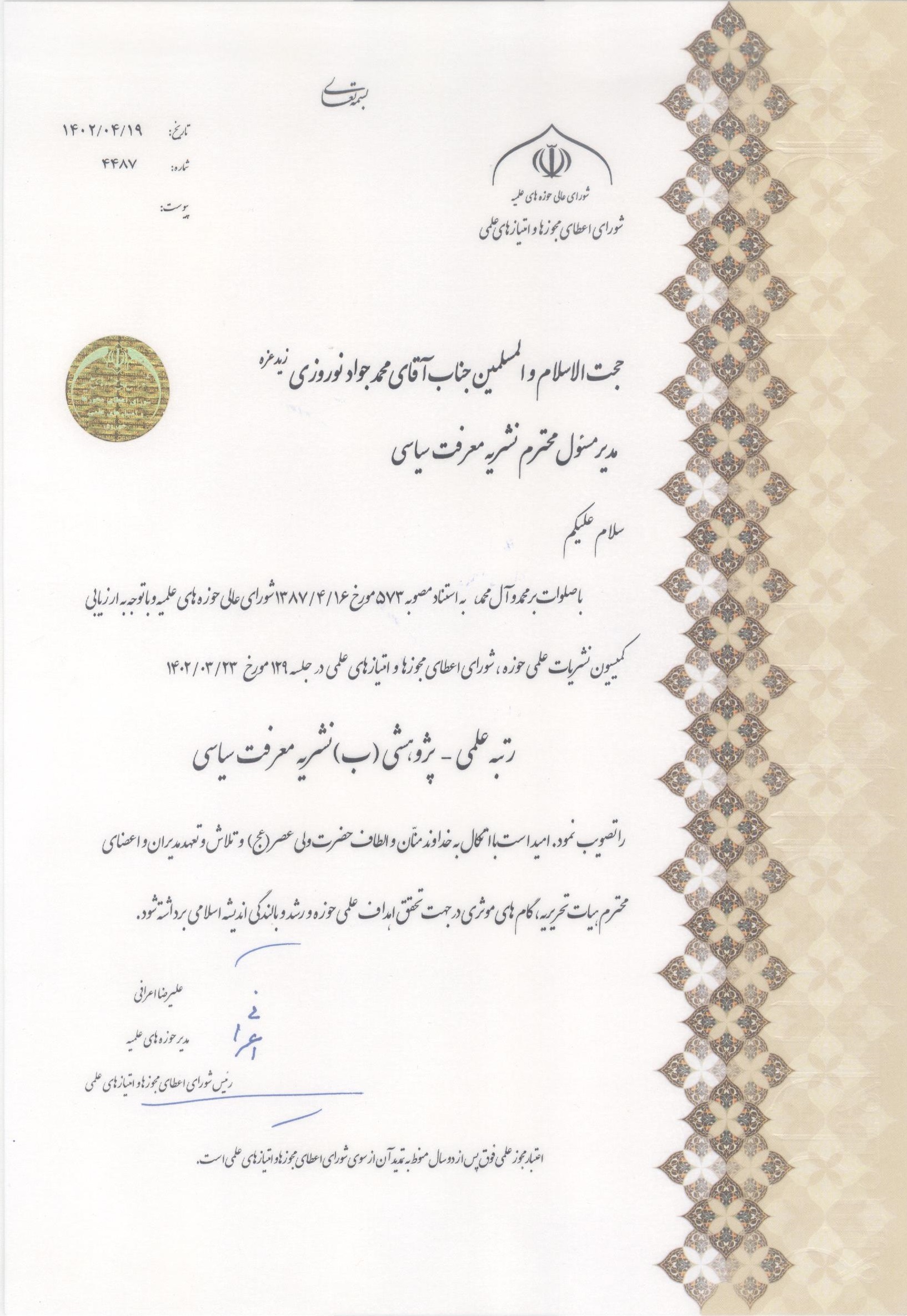
این مقاله در یکی از شماره های بعدی نشریه معرفت سیاسی منتشر خواهد شد.
بازمهندسی پارادایم حکمرانی مطلوب در گفتمان قرآنی؛ از نظریهپردازی هنجاری تا آپوریاهای نهادسازی در سپهر مدرن
نوع مقاله:
پژوهشی
نویسندگان:

چکیده:
مسأله پژوهش حاضر، شکاف میان نظریه آرمانی حکمرانی در گفتمان قرآنی و چالشهای تحقق عینی آن در عصر مدرن است. پژوهش حاضر با تمرکز بر تقابل الگوی حکمرانی قرآنی با روایت های سکولار، در پی تبیین مبانی هستیشناختی، انسانشناختی و اخلاقی این الگو و استنتاج ارکان ساختاری آن است. یافتهها مؤید آن است که الگوی حکمرانی مطلوب قرآنی، حول محور دو اصل عدالت (به مثابه غایت نهایی و آرمان تئودیسهای) و شورا (به عنوان روش و فرآیند عقلانیتبخش) صورتبندی شده و با مؤلفههای تکمیلی مسئولیتپذیری دوگانه (در قبال خدا و خلق)، حقمداری توحیدی و شفافیت و فسادستیزی قاطع تعمیق و تعالی مییابد. این پژوهش با ارائه خوانشی نظاممند از الهیات سیاسی قرآن ، استدلال می نماید که شاخص های حکمرانی خوب مدرن، نه تنها در تعارض با گزارههای قرآنی نیستند، بلکه در پرتو مبانی متافیزیکی قرآن، از عمق معنایی، مشروعیت فراتر-عقلانی و ضمانت اجرایی درونی- برونی بیشتری برخوردار میگردند. با این وجود، تحقق این الگو در عصر مدرن، با آپوریاهای نهادسازی (تعارض های عقلانی- عملی) متعددی مواجه است که مستلزم اجتهاد سیاسی پویا برای طراحی نهادهای متناسب، تقویت نهادهای مدنی مستقل و فرهنگسازی بر مبنای ارزش های نقادی و مسئولیتپذیری است.
Article data in English (انگلیسی)
Title:
Re-engineering the Paradigm of Good Governance in the Quranic Discourse: From Normative Theorizing to the Aporias of Institution-Building in the Modern Sphere
Abstract:
The problem of the present research is the gap between the ideal theory of governance in the Quranic discourse and the challenges of its objective realization in the modern era. Focusing on the confrontation between the Quranic model of governance and secular narratives, this research seeks to explain the ontological, anthropological, and ethical foundations of this model and to deduce its structural pillars. Furthermore, it aims to analyze the aporias (theoretical-practical deadlocks) of institution-building that hinder the transition from Quranic ideals to efficient institutions within the complex modern sphere. Relying on the method of extractive thematic interpretation (tafsir mawdu'i istiqra'i) and through a systematic analysis of the verses of political-social rulings (ayat al-ahkam) in the Holy Quran, this study attempts to deduce a normative and alternative model titled "Quranic Governance." The central question of the paper focuses on explaining the ontological, anthropological, and ethical foundations of this model and then deducing its structural pillars and indicators in contrast to secular and liberal narratives of good governance. The findings indicate that the ideal Quranic governance model is formulated around the two principles of Justice (as the ultimate end and the ideal of theodicy) and Shura (as the method and process of rationalization), and is deepened and elevated by complementary components such as dual accountability (towards God and the people), monotheistic rights-based approach, and decisive transparency and anti-corruption. By presenting a systematic reading of the political theology of the Quran, this research argues that the indicators of modern good governance are not only in conflict with Quranic propositions but, in the light of the Quran's metaphysical foundations, gain deeper meaning, extra-rational legitimacy, and stronger internal-external enforcement guarantees. However, the realization of this model in the modern era faces numerous aporias of institution-building (rational-practical conflicts), which necessitate dynamic political ijtihad (independent reasoning) for designing appropriate institutions, strengthening independent civil institutions, and culture-building based on the values of critique and accountability
شیوه ارجاع به این مقاله:
RIS
Mendeley
BibTeX
APA
MLA
HARVARD
VANCOUVER
ال سید غفور، سیدسجاد. (1405) بازمهندسی پارادایم حکمرانی مطلوب در گفتمان قرآنی؛ از نظریهپردازی هنجاری تا آپوریاهای نهادسازی در سپهر مدرن. دو فصلنامه معرفت سیاسی، ()، -
سیدسجاد ال سید غفور."بازمهندسی پارادایم حکمرانی مطلوب در گفتمان قرآنی؛ از نظریهپردازی هنجاری تا آپوریاهای نهادسازی در سپهر مدرن". دو فصلنامه معرفت سیاسی، ، ، 1405، -
ال سید غفور، سیدسجاد.(1405) 'بازمهندسی پارادایم حکمرانی مطلوب در گفتمان قرآنی؛ از نظریهپردازی هنجاری تا آپوریاهای نهادسازی در سپهر مدرن'، دو فصلنامه معرفت سیاسی، (), pp. -